


Reformers
The word “Reformer” describes those men and women whom God raised up in the fifteenth and sixteenth centuries to restore the Church to the authority of Scripture, the purity of apostolic doctrine, and the simplicity of the Gospel. While the movement was continental in its scope, its most decisive fruits for the English-speaking world were produced in England, where a succession of faithful witnesses laid the foundations of our spiritual heritage.
The English Reformation was not a humanistic project and not a political accident. It was the sovereign work of God, carried out through servants whose lives bore the marks of deep conviction, scriptural learning, and unshakable courage. These men were persuaded that the Word of God must be understood by all people, that salvation is by grace alone through faith alone in Christ alone, and that the Church must be governed by Scripture rather than by human tradition.
John Wycliffe: The Morning Star of the Reformation
More than a century before Luther, John Wycliffe taught that Scripture stands above all ecclesiastical authority. He laboured to make the Bible available in the English tongue and argued that Christ alone is the true head of the Church. Wycliffe’s teachings illuminated England long before the Reformation formally arrived, and his influence prepared the ground for every English Reformer who followed.
John Frith: The Claims of Truth
John Frith combined rare learning with a tender conscience. In an age when the simplest biblical doctrines were clouded by superstition, Frith set forth the plain meaning of the Gospel with striking clarity. His commitment to truth, even when that truth demanded his life, became an example for generations. He demonstrated that true Reformation is not the work of political strategy but the fruit of a conscience bound to Scripture.
William Tyndale: “Lord, Open the King of England’s Eyes”
William Tyndale gave the English-speaking world its Bible. His translation work shaped the language of the nation and carried the Gospel into households that had never heard it before. His dying prayer, “Lord, open the King of England’s eyes”, was answered within three years, when an English Bible was finally authorised for every parish church. Tyndale’s work is a testimony to what God can accomplish through one man who fears God and not man.
Hugh Latimer: Lighting the Candle That Will Never Go Out
Hugh Latimer was known for preaching that reached both the learned and the common man. His ministry brought the light of Gospel clarity into a dark and confused age. When he and Nicholas Ridley were martyred at Oxford, Latimer spoke the words that echo through English history: “We shall this day light such a candle, by God’s grace, in England, as I trust shall never be put out.” That candle continues to burn whenever Christ is faithfully preached.
Thomas Cranmer: Reforming the Church of England
Archbishop Thomas Cranmer provided the English Reformation with its most enduring structures. Through the Book of Common Prayer, the Articles of Religion, and his pastoral reforms, Cranmer gave the English Church a biblical foundation for worship and doctrine. His final confession at the stake revealed a heart transformed by grace and resolved to honour Christ above all earthly power.
Their Enduring Significance
The English Reformers were not perfect men. They were sinners saved by grace, used by God to call a nation back to the authority of His Word. Their significance lies in the doctrines they defended, the Scriptures they translated, and the courage with which they bore witness to Christ. They remind us that truth is not advanced by compromise, and that the Church flourishes when it stands upon the unchanging Word of God.
For Christians today, the Reformers stand as a call to steadfastness. They exhort us to guard the Gospel, to teach sound doctrine, to read the Scriptures diligently, and to walk with integrity, even when faithfulness is costly. Their lives testify that God will preserve a witness to His truth in every generation, and that no earthly power can extinguish the light which He Himself kindles.
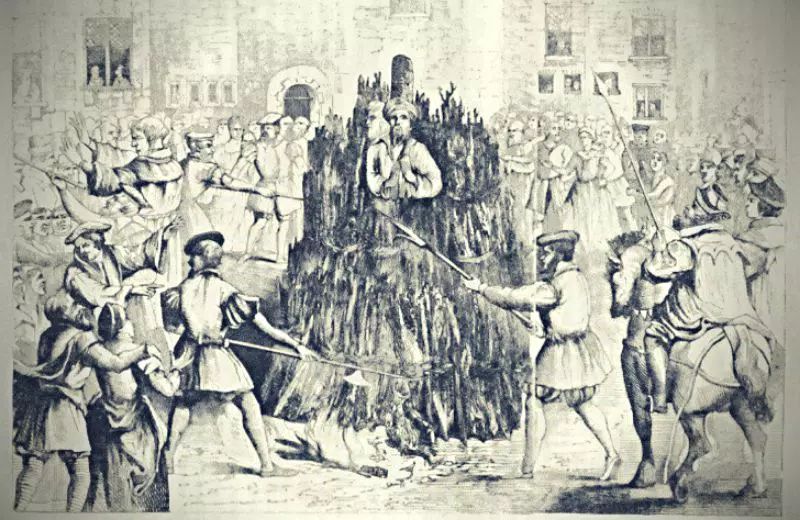
John Frith and the Claims of Truth
Since the days of the apostles, the church of Jesus Christ has had to contend with false teachers, and with the great…
Read
John Wycliffe - How He Anticipated the Reformers
England, and indeed Europe, in the fourteenth and fifteenth centuries was a veritable cesspit in which wickedness was…
Read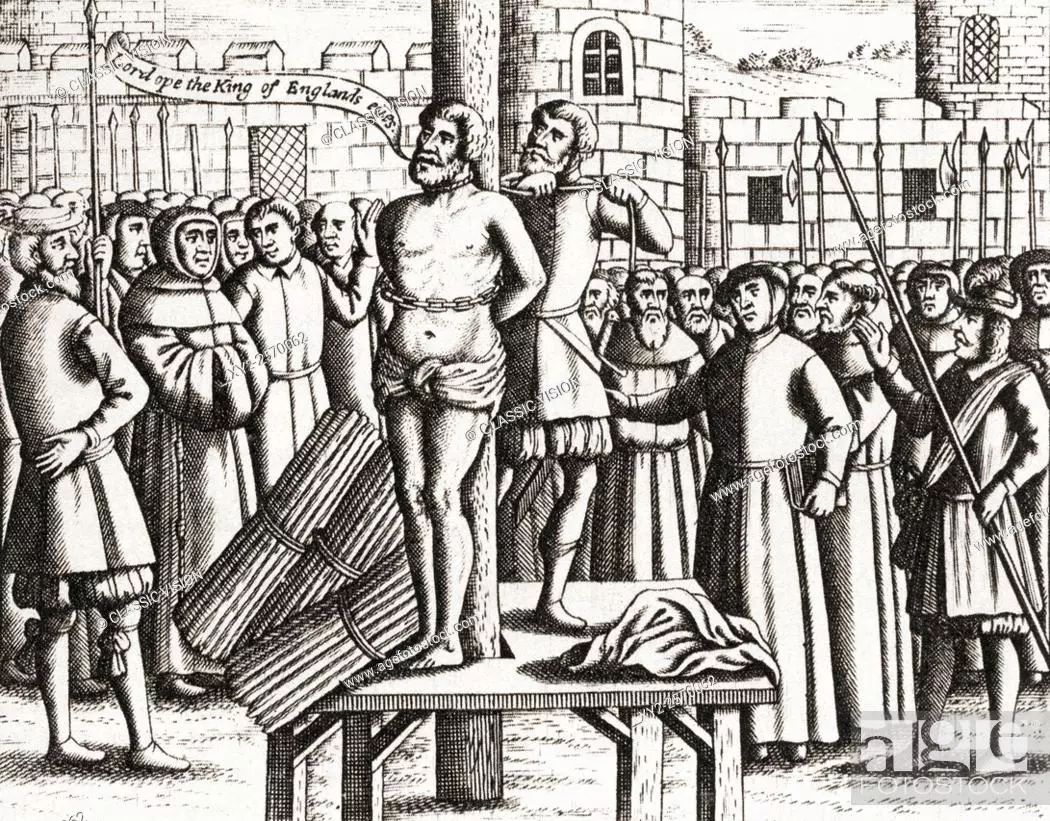
William Tyndall - “Lord, Open the King of England’s Eyes”
I’m afraid I am rather out of my depth with this task: I am not able to condense Tyndale’s life into a brief summary…
Read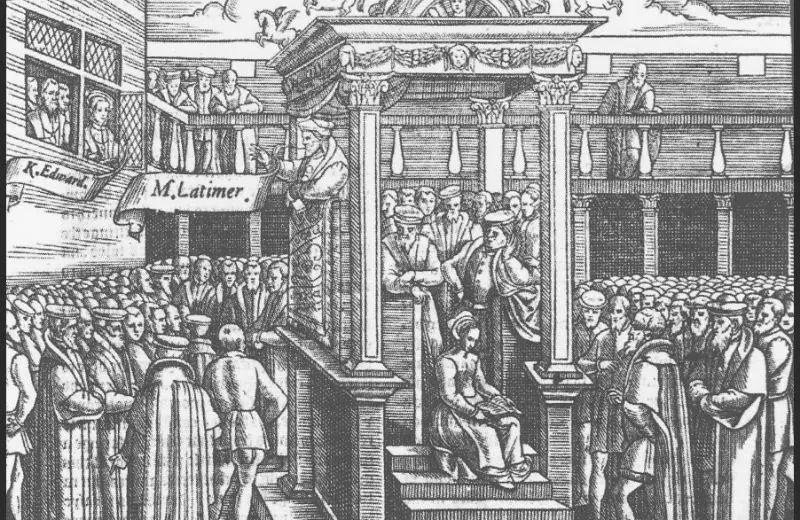
Hugh Latimer - Lighting the Candle That Will Never Go Out
A person’s life may be looked at from an almost infinite number of different angles. But when I look at Latimer’s life…
Read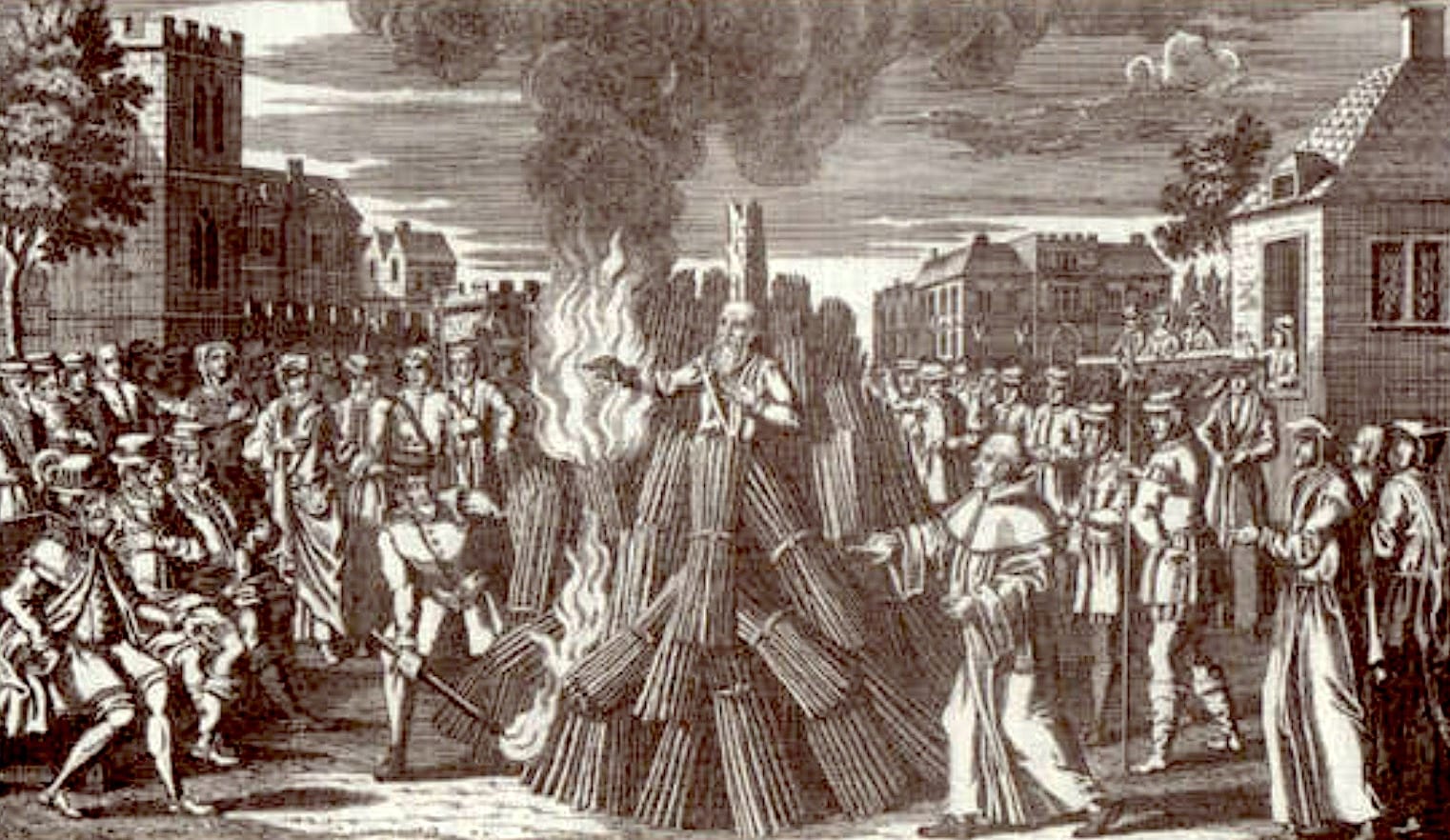
Thomas Cranmer - How He Reformed the Church of England
Born in 1489, six years after Luther, and twenty years before Calvin, Cranmer spent his early life in Aslockton in…
Read